

Transportation for an SPC floor coating line is a crucial aspect that often gets overlooked. As a supplier of SPC Floor Coating Line, I've seen firsthand how proper transportation can make or break a project. In this blog, I'll share what you need to know about the transportation requirements for an SPC floor coating line.
Size and Weight Considerations
SPC floor coating lines are large and heavy pieces of equipment. They come in various sizes, depending on the production capacity and the specific features of the line. The length of a typical SPC floor coating line can range from a few meters to over 20 meters. The width and height also vary, but they are usually substantial enough to require special handling during transportation.
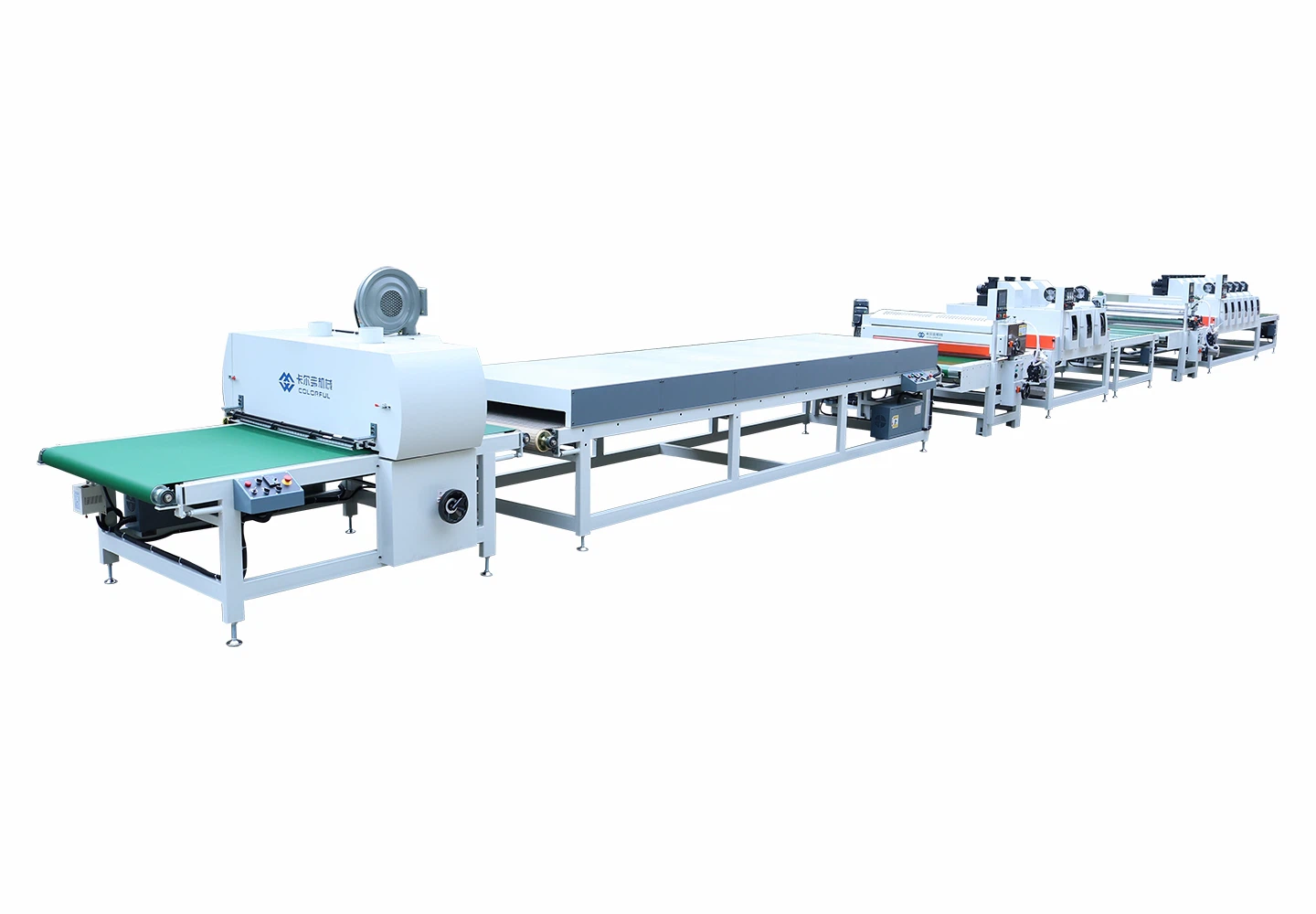

The weight of an SPC floor coating line can be quite significant. It includes the weight of the machinery, the coating materials, and any additional components. When planning for transportation, it's essential to know the exact weight of the line so that you can choose the right type of transport vehicle. For example, a small SPC floor coating line might be transported on a flatbed truck, while a larger one may require a specialized heavy-haul trailer.
Fragility and Protection
SPC floor coating lines are not only large and heavy but also fragile in some aspects. The coating equipment, such as the UV Curtain Coating Line, contains sensitive components that can be easily damaged during transit. These components include nozzles, pumps, and control systems.
To protect the equipment during transportation, it's necessary to use proper packaging materials. Foam padding, bubble wrap, and wooden crates are commonly used to cushion the machinery and prevent it from shifting or getting damaged. Additionally, the equipment should be securely fastened to the transport vehicle to avoid any movement during transit.
Regulatory Requirements
Transporting an SPC floor coating line involves complying with various regulatory requirements. These requirements may vary depending on the country or region where the transportation is taking place. For example, in some areas, there are restrictions on the size and weight of vehicles on certain roads. You may need to obtain special permits for oversize or overweight loads.
Another important regulatory aspect is the handling of hazardous materials. SPC floor coating lines often use chemicals and solvents in the coating process. These substances may be classified as hazardous materials, and there are strict regulations regarding their transportation. You need to ensure that the transport vehicle is equipped with the necessary safety features and that the hazardous materials are properly labeled and stored.
Route Planning
Route planning is a critical part of transporting an SPC floor coating line. You need to consider factors such as road conditions, traffic, and the availability of rest areas and service stations. A well-planned route can help minimize the risk of delays and ensure the safe arrival of the equipment.
When planning the route, it's also important to take into account any potential obstacles, such as low bridges, narrow roads, or construction sites. You may need to choose an alternative route to avoid these obstacles. Additionally, you should consider the time of day and the day of the week when planning the transportation. For example, avoiding peak traffic hours can help reduce the travel time and the risk of accidents.
Insurance
Insurance is an essential part of transporting an SPC floor coating line. Accidents can happen during transit, and having insurance can provide financial protection in case of damage or loss. You should choose an insurance policy that covers the full value of the equipment and any associated costs, such as transportation fees and installation charges.
Before purchasing insurance, it's important to read the policy carefully and understand the terms and conditions. Some insurance policies may have exclusions or limitations, so you need to make sure that you are fully covered. You may also want to consider additional coverage options, such as liability insurance, to protect yourself against any potential legal claims.
Installation and Commissioning
Once the SPC floor coating line arrives at its destination, the next step is installation and commissioning. This process requires specialized knowledge and skills, and it's important to work with a professional installation team. The installation team should be familiar with the specific requirements of the SPC floor coating line and be able to ensure that it is installed correctly and safely.
During the installation process, the team will need to connect the various components of the line, test the equipment, and make any necessary adjustments. They will also need to train the operators on how to use the equipment properly. Commissioning is the final step in the process, where the line is tested under actual production conditions to ensure that it is functioning correctly.
Conclusion
Transporting an SPC floor coating line is a complex process that requires careful planning and attention to detail. From size and weight considerations to regulatory requirements and route planning, there are many factors to take into account. By understanding these requirements and working with experienced professionals, you can ensure that your SPC floor coating line is transported safely and efficiently.
If you're in the market for an SPC floor coating line or need help with transportation and installation, feel free to reach out. We're here to provide you with the best solutions and support. Let's work together to make your project a success.
References
- Industry standards and regulations related to the transportation of heavy equipment.
- Manufacturer's guidelines for the transportation and installation of SPC floor coating lines.
- Previous experiences and case studies in transporting similar equipment.